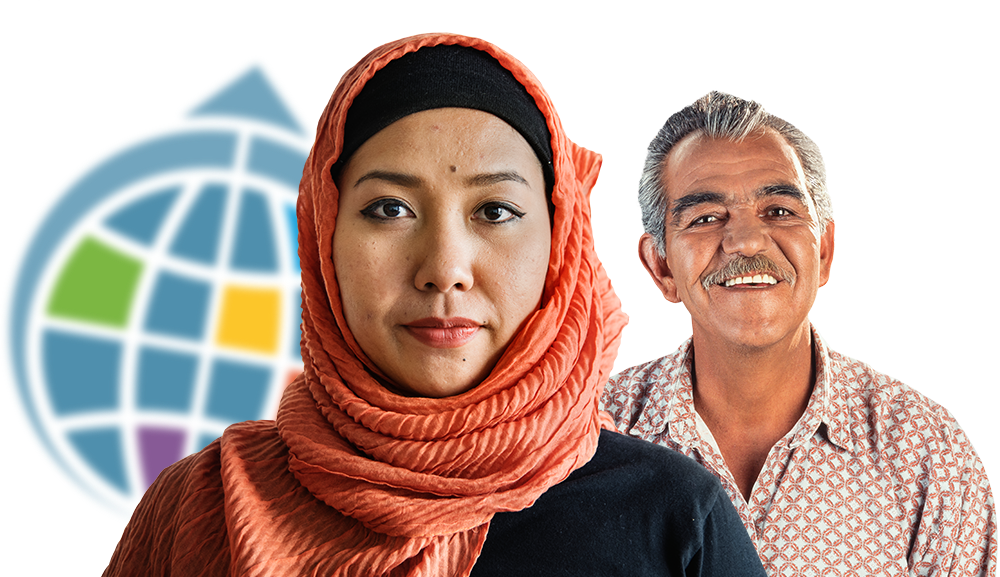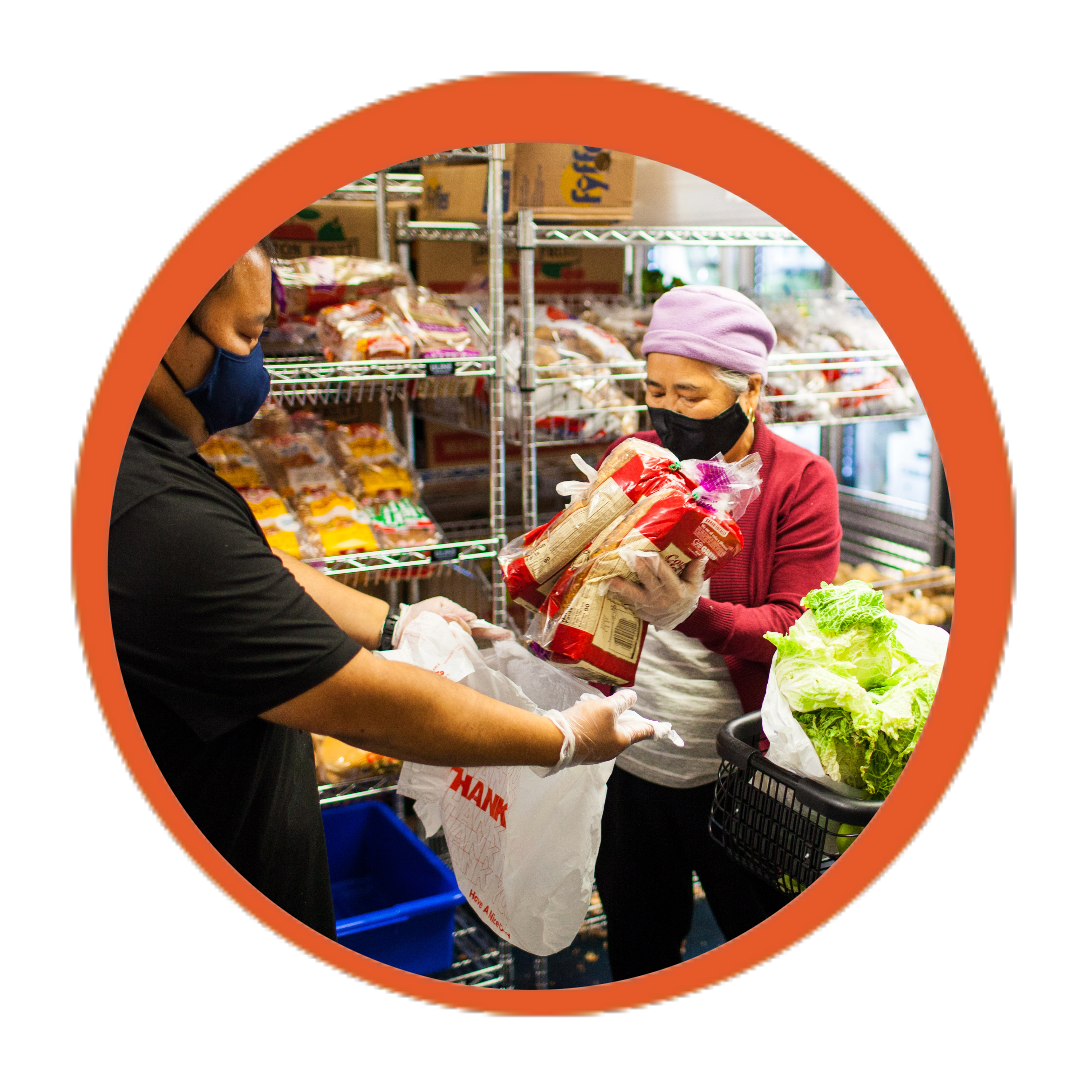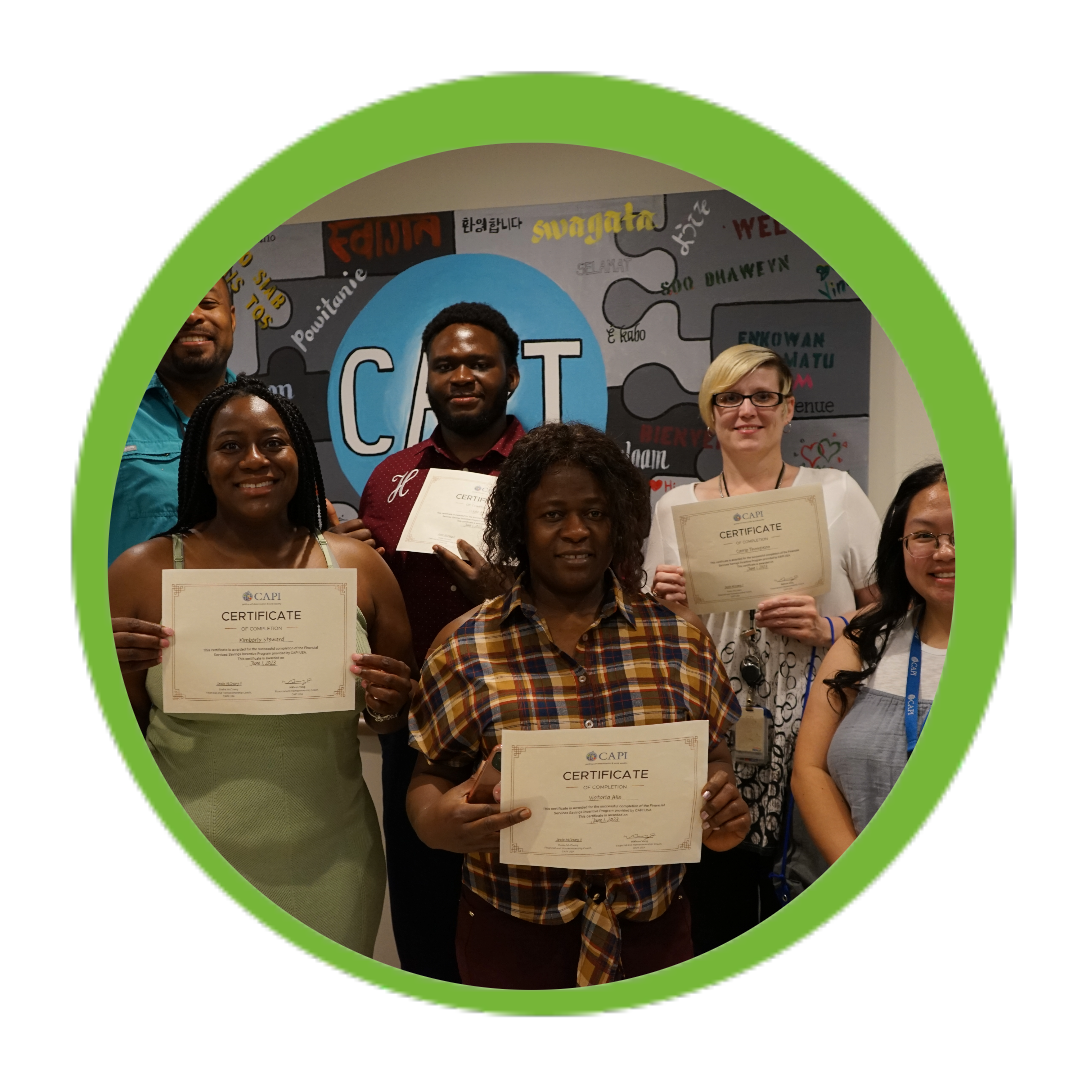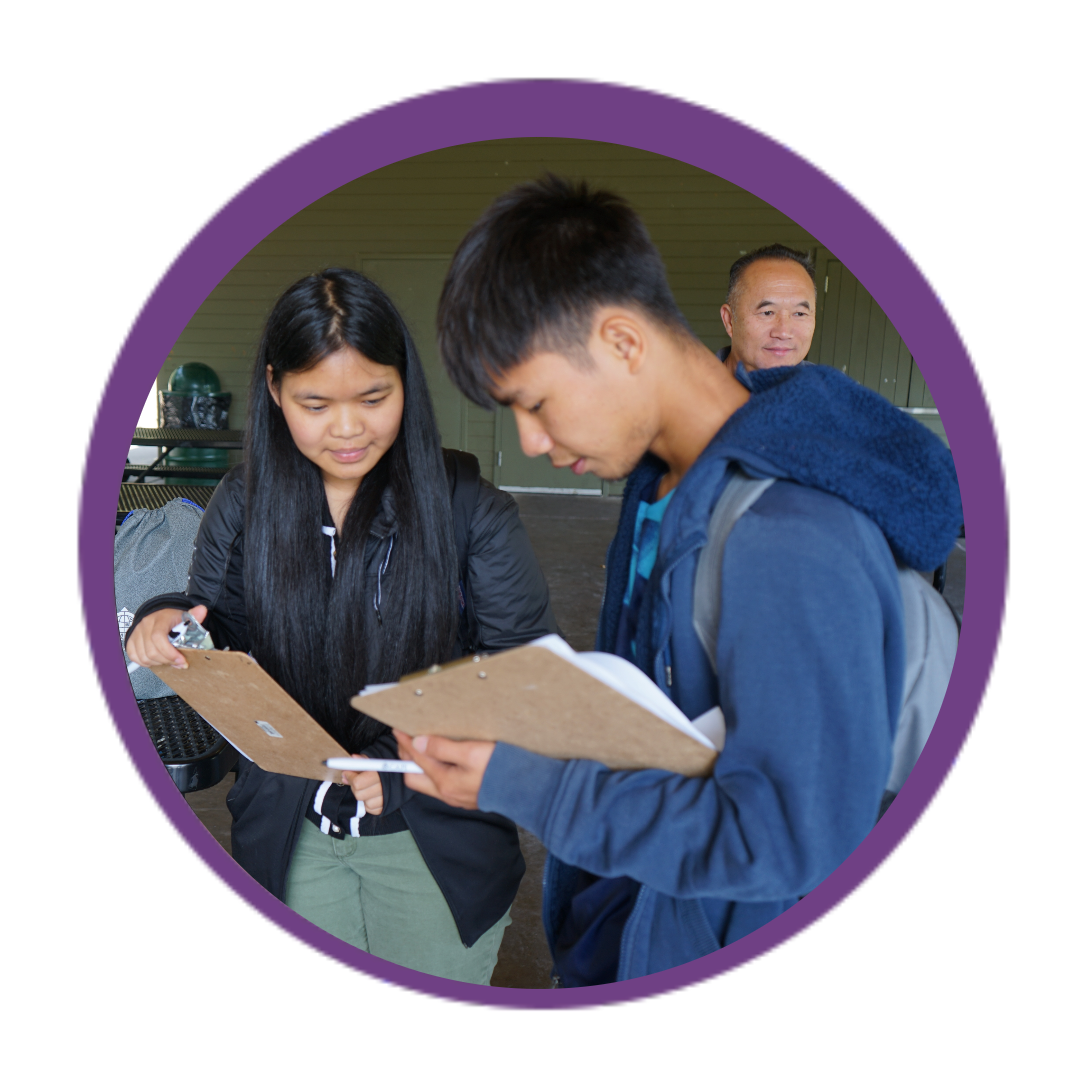
Each year CAPI has approximately 3,000 participants with 60% of them being Asian – Hmong, Vietnamese, Bhutanese, Karen - and 40% are East African, mostly Oromo, Ethiopian, and Somali. CAPI also has participants from other communities, but they typically represent less than 1% of the total population served. About 57% of the total number of participants are women and girls.
CAPI participants are low income families, living below poverty line, seeking direct services to stabilize their lives with jobs, housing, food assistance, and health care. Most are refugees and immigrants who have come from Asia and
Africa, fleeing wars, religious and political persecution, and human rights abuses.
Basic Information
What is the difference between “immigrant” and “refugee"?
Every year, far more people want to immigrate to the U.S. than are allowed by law. For practical and humanitarian reasons, the federal government distinguishes among people, depending on where they come from, whether they have work skills that are needed in this country, and whether they already have relatives here. These distinctions determine who can come to the U.S., for how long, and under what classification.
A refugee is a person who is unable or unwilling to live in his or her native country because of persecution or a well-founded fear of persecution on account of race, religion, nationality, membership in a particular social group, or political opinion. Like many countries, the U.S. has made a commitment to allowing refugees to settle here. CAPI has several programs (e.g. Refugee Employment Services) that work exclusively with this population.
An immigrant is a person who moves to a country where he or she intends to settle permanently. Legal immigrants have permission of the government to live in the U.S. Undocumented, or illegal, immigrants do not.
Want to learn more?
UNHCR learn more about the refugee journey.